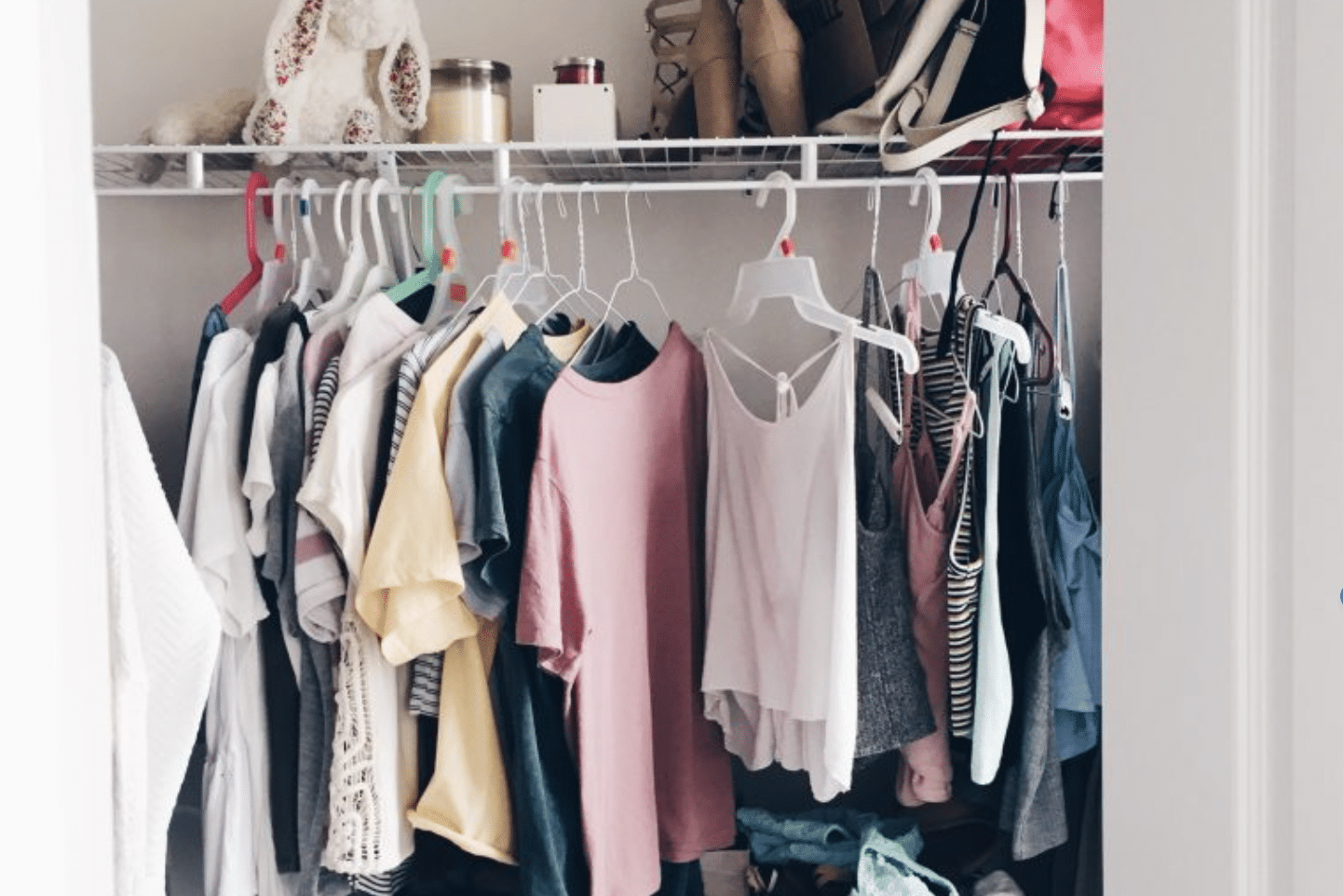
19 Closet Organization Tricks That Make Getting Dressed Faster
My closet used to be the reason I was late nearly every morning, not because I didn’t have anything to wear, but because I couldn’t actually find any of it in the pile. A messy closet steals more time than people realize, a few extra minutes every single morning searching for a matching shoe adds up to real hours over a month.
These are the 19 tricks that actually turned my closet into something functional, counted down to the one change that made the biggest overall difference. None of these require a full closet renovation, just some intentional small changes, and a few of the same underlying ideas show up in my broader post on pantry organization too, since a lot of this comes down to the same basic principles no matter which room you’re tackling.
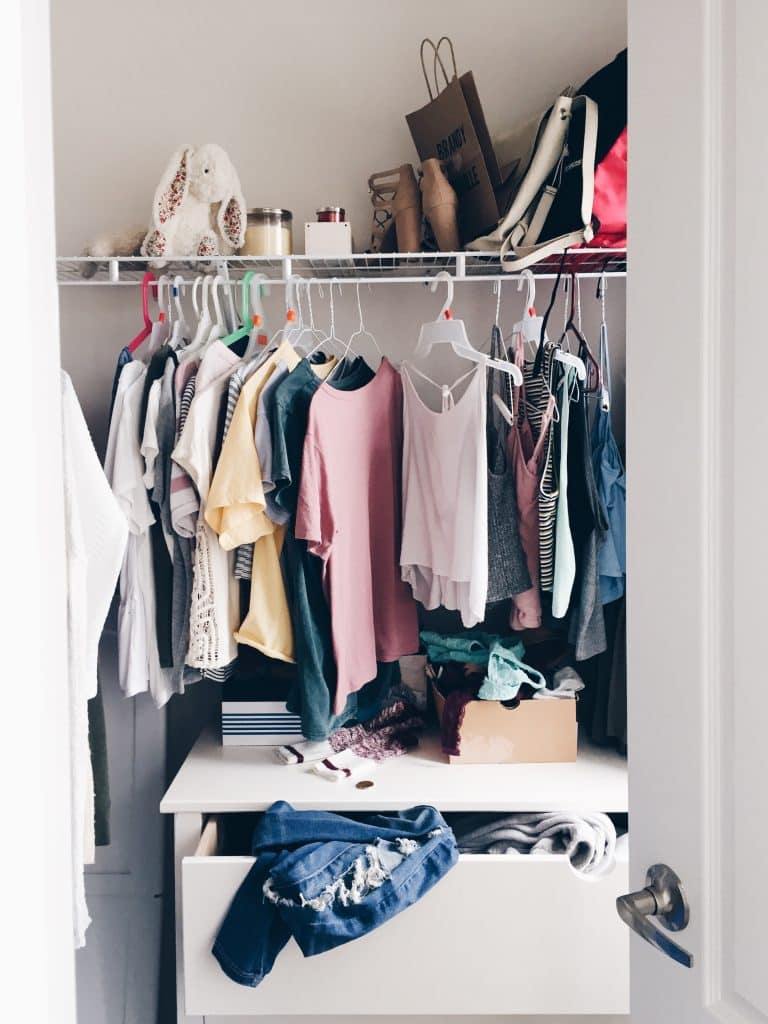
19. Turn All Hangers Backward for a Month
This trick sounds almost too simple to matter, but it’s genuinely eye-opening. Turn every hanger backward, and each time you wear and rehang something, flip it the right way. After a month, whatever’s still backward is what you’re not actually wearing.
This gives you real data instead of a guess about what to keep or donate, which matters a lot more than it sounds like it would when you’re trying to be honest with yourself about your own closet.
18. Group Clothes by Category, Not Randomly
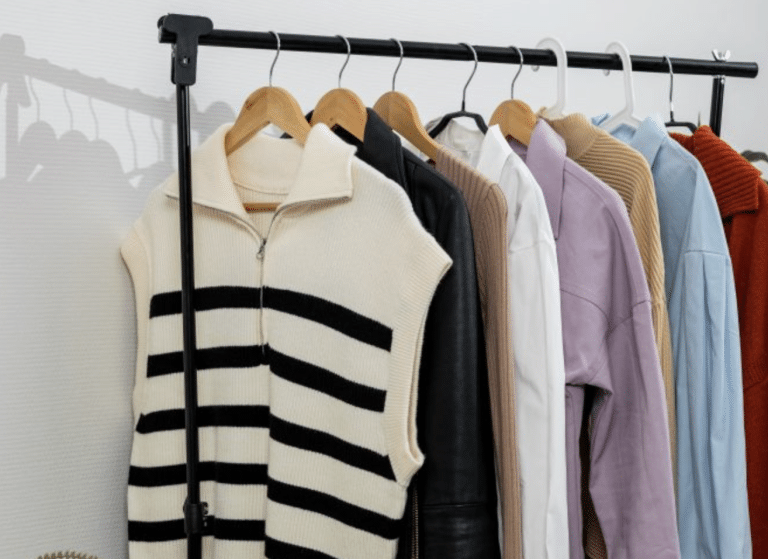
Hanging clothes in whatever order they end up in after laundry means constantly scanning the whole closet to find one specific item. Grouping by category, all tops together, all bottoms together, all dresses together, cuts down search time dramatically.
Within each category, I’ve started grouping loosely by color too, which makes visually scanning for a specific piece even faster on a rushed morning. If your shoes tend to migrate out of the closet entirely, a dedicated entryway organization system solves that specific overflow problem better than trying to force everything back into one space.
17. Use Matching Hangers Throughout
A closet full of mismatched wire, plastic, and wooden hangers looks chaotic even when everything’s actually organized underneath. Switching to one matching hanger style instantly makes the whole closet look more put-together and, weirdly, easier to actually use.
Slim velvet hangers save real space compared to bulkier options too, which means more room for actual clothes rather than hanger bulk.
16. Store Off-Season Clothes Elsewhere
Keeping every season’s clothes in the closet at once means digging through winter coats to find a summer dress, or the reverse. Rotating off-season items into under-bed storage or a spare closet frees up real space and makes the current season’s options much easier to actually see.
I do this swap twice a year, and it’s become a nice, low-effort reset point for reassessing what I actually want to keep in rotation.
15. Add a Second Hanging Rod for Vertical Space
A lot of closets have significant unused vertical space above and below a single hanging rod, especially for shorter items like folded pants or shirts. Adding a second rod, even a simple tension rod, doubles usable hanging space without any major renovation.
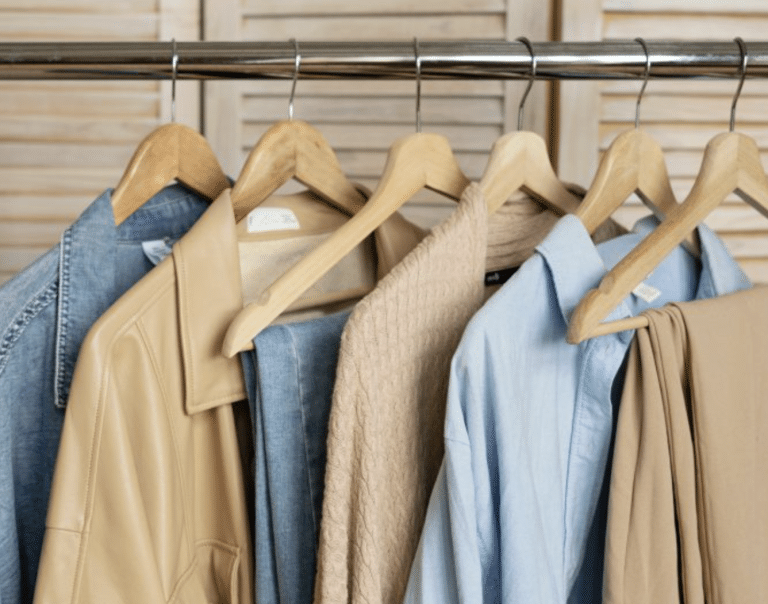
This is one of the more affordable upgrades on this whole list relative to how much extra space it actually creates.
14. Use Clear Bins for Shelf Storage
Storing folded items or accessories in opaque bins means you can’t see what’s inside without pulling every bin down to check. Clear bins solve this instantly, letting you scan shelf contents visually rather than opening multiple containers.
Label them anyway even though they’re clear, it speeds up finding things even further and helps anyone else in the house actually put things back where they belong.
13. Install Hooks for Bags and Accessories
Bags, scarves, and belts tend to end up in a tangled pile at the bottom of a closet if they don’t have a dedicated spot. A simple row of hooks keeps them visible and accessible instead of buried under everything else.
This is a small addition that makes a surprisingly big visual difference, since a tangled accessory pile is often what makes an otherwise organized closet still feel messy.
12. Fold Sweaters Instead of Hanging Them
Hanging heavier knits can stretch them out of shape over time, and it also takes up more vertical hanging space than folding does. Moving sweaters to a folded shelf system both protects them and frees up rod space for things that actually need to hang.
Stack them by weight, heaviest on the bottom, to keep the pile from toppling every time you pull one from the middle.
11. Create a Grab-and-Go Section for Repeat Outfits
Keeping your most-worn, most reliable outfit pieces in one easy-to-reach section of the closet cuts decision time down considerably on busy mornings. This ties directly into having a few solid go-to outfit combinations memorized, since the pieces that make up those combinations are exactly what belongs in this section.
I keep mine at eye level, front and center, specifically so I’m not digging for my actual go-to pieces on a rushed morning.
10. Use Drawer Dividers for Smaller Items
Underwear, socks, and accessories tend to become a jumbled mess in an undivided drawer within days of being neatly organized. Simple dividers keep categories separated and make it much faster to find a specific matching pair.
This is a small, inexpensive fix that’s held up far better over time than I expected when I first tried it.
9. Store Shoes at an Angle, Not Flat
Shoes stored flat on a shelf take up more depth than necessary, and it’s harder to see what’s toward the back. An angled shoe rack lets you see the full shoe from the front while taking up meaningfully less shelf depth.
This one small swap freed up enough shelf space in my closet to add an entirely new storage section for accessories.
8. Do a Real Seasonal Purge, Not Just a Tidy
A quick tidy moves things around without actually reducing what’s crammed into the closet, while a genuine seasonal purge, actually removing items you’re not wearing, creates real lasting space. I pair this with the off-season rotation mentioned earlier, using that swap as the natural moment to also decide what’s not coming back into rotation at all.
Be honest during this process rather than keeping things out of guilt, a closet that’s edited down to what you actually wear functions better than one that’s simply full.
7. Label Shelves for Shared Closets
If you’re sharing closet space with a partner or kids, labeling specific shelves or sections keeps everyone’s items from slowly merging into one confusing pile. This has saved a genuine amount of morning frustration in a house with three kids all needing to find their own stuff quickly.
Even simple removable labels make a difference here, since the goal is just a clear visual system everyone in the house can actually follow.
6. Use Slim, Non-Slip Hangers for Delicate Fabrics
Certain fabrics, silk and some thinner knits especially, slide right off standard hangers and end up crumpled at the bottom of the closet. Slim, non-slip hangers solve this specific problem and keep delicate pieces actually visible and wearable instead of hidden in a pile.
This is a small, inexpensive fix for a problem that quietly causes a lot of unnecessary reorganizing.
5. Create a Donation Box Inside the Closet
Rather than deciding to donate something and then leaving it in the closet anyway because there’s no clear next step, keeping an actual donation box or bag inside the closet makes the whole process frictionless. Anything that doesn’t earn its keep goes straight in, no separate decision required later.
I empty mine to an actual donation center every month or two, which keeps the whole system moving rather than becoming its own clutter pile.
4. Store Jewelry Where You Can Actually See It
Jewelry tucked into a drawer or a tangled box rarely gets worn, simply because it’s out of sight and easy to forget about. A wall-mounted organizer or a shallow tray on a shelf keeps pieces visible and makes accessorizing an actual quick step rather than an afterthought.
This small shift has genuinely changed how often I actually wear the jewelry I own, rather than it sitting untouched in a drawer.
3. Keep a Full-Length Mirror Inside or Near the Closet
This sounds obvious, but a lot of closets don’t have one nearby, which means getting dressed and then walking to another room just to check the whole outfit. Having a mirror right there removes an entire extra step from the morning routine.
This is a small addition that’s made getting dressed feel noticeably more efficient, since I can check an outfit and swap something out without leaving the closet at all.
2. Build a Weekly Outfit Preview Into Your Sunday Routine
Taking ten minutes on a Sunday to glance through the closet and mentally, or even physically, set aside a few outfits for the week ahead removes a surprising amount of daily decision fatigue. This pairs well with the grab-and-go section mentioned earlier, since you’re basically pre-loading your own quick options.
This single habit has probably saved me more total morning time than any physical organization change on this entire list.
1. Keep Only What Actually Fits Your Current Life
The single biggest shift for me wasn’t a specific organizing product or system, it was finally being honest about which clothes actually fit my current life, three kids, a busy schedule, more casual days than dressy ones, rather than an aspirational version of myself I kept hanging onto clothes for. Once the closet reflected my actual life instead of a fantasy one, everything else on this list became dramatically easier to maintain.
If you only make one change from this whole list, I’d start here. A closet full of only what you actually wear is easier to organize, easier to get dressed from, and honestly just easier to look at every single morning. Pair it with a few capsule wardrobe pieces and a couple of go-to outfit formulas and mornings get noticeably easier from every angle at once.