
The Capsule Wardrobe Guide for Busy Moms Who Don’t Have Time to Shop
I didn’t set out to build a capsule wardrobe on purpose, it happened gradually after I got tired of standing in front of a full closet every morning feeling like I had nothing to wear. Somewhere in the process of simplifying, mostly out of sheer exhaustion, I ended up with a system that’s made getting dressed faster, cheaper over time, and honestly a lot less stressful.
This guide walks through how I actually built mine, not as a rigid formula but as a real process you can adapt to your own life, your own climate, and your own kids’ chaos level. None of this requires an expensive closet overhaul, just some intentional choices made over time.

Start With an Honest Audit, Not a Purge
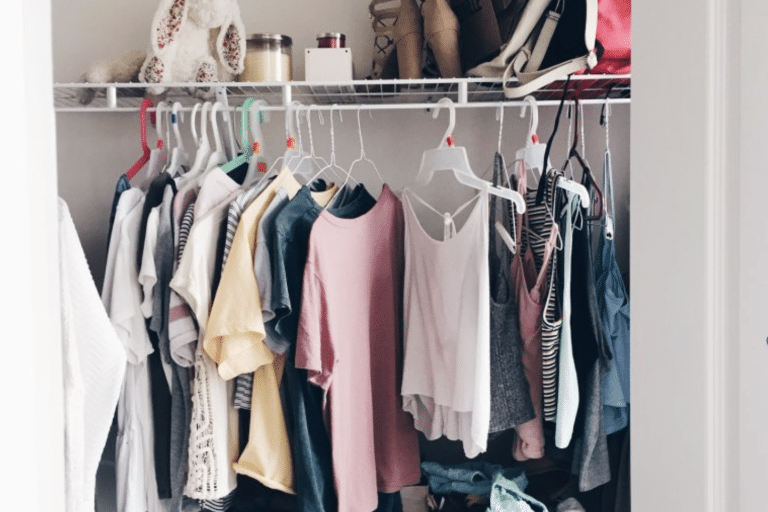
Before adding anything new, I spent a weekend actually going through everything I owned and being honest about what I’d worn in the last three months versus what had just been sitting there out of guilt or hope. This step matters more than people expect, since building a capsule wardrobe on top of clothes you already don’t wear just adds more clutter rather than solving the actual problem.
I sorted everything into three piles: things I wear regularly and love, things I technically could wear but never reach for, and things that plainly weren’t working anymore. That middle pile is where most of the useful insight actually showed up, since it revealed patterns in what I kept avoiding and why.
Identify Your Actual Lifestyle, Not an Aspirational One
A lot of capsule wardrobe advice online seems built around a much more polished, put-together daily life than the one most busy moms actually live. Being honest about how much of your week is spent on school runs, errands, and general kid-chasing versus dressier occasions changes what your capsule should actually prioritize.
For me, that meant leaning heavily toward comfortable, durable pieces that survive actual daily wear, with fewer, higher-quality dressier items saved for the occasions that genuinely call for them. Your own ratio might look different depending on your job, your social calendar, and your climate, and that’s exactly the point, this should reflect your real life, not a generic template.
Choosing a Color Palette That Actually Works Together
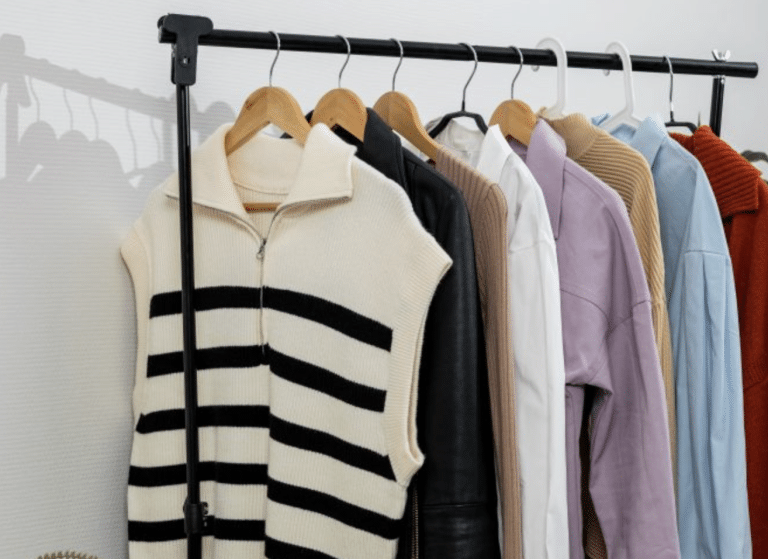
The core principle behind a functional capsule wardrobe is that most pieces should be able to mix and match with most other pieces, and that only works if you’re building around a coordinated color palette rather than a bunch of unrelated favorites. I settled on a base of neutrals, black, white, gray, camel, with a couple of accent colors I actually love mixed in for variety.
This doesn’t mean everything has to match perfectly, it means every new piece should genuinely work with at least a few things you already own before it earns a spot in the closet. I’ve caught myself almost buying beautiful pieces that would have sat unworn simply because they didn’t pair with anything else I actually had.
Building Around Core Categories
Rather than picking a rigid total number of pieces, which I found stressful and honestly a little arbitrary, I built my capsule around core categories: a handful of quality tops, a few reliable bottoms, one or two dresses, and a small set of layering pieces and shoes. Within each category, I focused on genuine versatility over quantity.
This structure means I always have enough real options without an overwhelming amount of choice, which is really the whole point. Too few pieces and you’re doing laundry constantly, too many and you’re back to the original problem of a closet full of clothes with nothing to actually wear.
The Role of Outfit Formulas
Once the actual pieces were in place, I found that having a handful of go-to outfit formulas memorized, specific combinations I know work well together, cut down my morning decision time even further. Jeans and a button-down, a midi skirt with a tucked-in tee, leggings and an oversized sweater, these became my defaults rather than starting from scratch every single morning.
This is where a capsule wardrobe really pays off day to day, not just in fewer clothes but in really less mental effort spent getting dressed. Having fewer, better pieces that combine easily removes an entire category of small daily decision fatigue, and I’ve written up my full list of go-to outfit formulas if you want specific combinations to start with rather than building your own from scratch.
Shopping Strategically Going Forward
Once a capsule is built, the ongoing work is really about being selective going forward rather than falling back into old shopping habits. I’ve adopted a rough rule for myself: before buying anything new, I think through at least three existing pieces it would realistically pair with, and if I can’t come up with three, I skip it.
This has slowed down my shopping in a good way, and it’s meant that most new purchases actually get worn regularly rather than joining a pile of good intentions. Quality over quantity applies here too, I’d rather buy one great piece a season than several mediocre ones that don’t hold up or get worn.
Seasonal Adjustments Without Starting Over
A capsule wardrobe doesn’t need to be rebuilt from scratch each season, but it does benefit from small, intentional adjustments. I swap in a few season-specific pieces, heavier layers for winter, lighter fabrics for summer, while keeping the core neutral base and my go-to formulas consistent year-round.
This keeps the whole system manageable rather than becoming a twice-yearly overhaul project. A rotating handful of seasonal additions, rather than an entirely new wardrobe, has been the sustainable approach for me over the last few years.
Maintaining the System With Kids in the Mix
I’ll be honest that maintaining any wardrobe system with three kids in the house requires some real flexibility, spills happen, growth spurts happen for the kids and occasionally for my own patience, and life doesn’t always cooperate with a tidy system. I’ve learned to treat the capsule as a flexible framework rather than a rigid rulebook, adjusting as life actually requires rather than forcing myself into an unrealistic standard.
The goal was never a perfectly curated, magazine-worthy closet, it was a functional system that makes my actual mornings easier. On that measure, it’s succeeded, even with all the real-life mess that comes with it.
Final Thoughts
Building a capsule wardrobe as a busy mom isn’t about achieving some minimalist ideal, it’s about creating a closet that actually works for the life you’re living right now, not an aspirational version of it. Starting with an honest audit, choosing a coordinated color palette, building around core categories rather than a strict number, and leaning on repeatable outfit formulas together create a system that actually saves time and mental energy every single morning.
If you’re just starting this process, I’d suggest beginning with the audit step alone before buying anything new. Understanding what you already have, and why you do or don’t actually wear it, tells you more about what your capsule should include than any generic list ever could. Once you’ve got a real sense of your pieces, my posts on wardrobe staples worth spending more on and a weekly outfit system to actually use them are natural next steps.