17 Kitchen Organization Ideas That Make Cooking Easier
The kitchen is the room in our house that gets used hardest and fastest falls into chaos, and it took me a while to realize that a lot of my dinnertime stress wasn’t actually about cooking itself, it was about fighting a disorganized space the whole time I was trying to cook. Getting the kitchen genuinely organized changed how manageable actual mealtimes feel more than any recipe or meal planning system ever could on its own.
These are the 17 ideas that have made the biggest real difference in my kitchen, counted down to the one change I’d make first if I were starting completely over. All of them are realistic for a kitchen that gets used constantly by a busy family, not a showroom kitchen that only stays tidy because nobody actually cooks in it.
17. Organize by Zones Based on Actual Use
Rather than organizing purely by category, grouping items by where they’re actually used, baking supplies near the mixer and oven, coffee supplies near the coffee maker, has cut down considerably on unnecessary trips across the kitchen while cooking. This zone-based approach has made our whole workflow noticeably smoother.
Think through your own actual cooking patterns rather than a generic layout, the right zones depend on how your specific kitchen and routines actually work.
16. Use Drawer Dividers for Utensils
A single undivided utensil drawer becomes a tangled mess within days, making it hard to find a specific tool quickly. Simple dividers keep categories separated and have made grabbing the right utensil considerably faster during actual cooking.
This is a small, inexpensive fix that’s made a disproportionately large difference in daily kitchen frustration.
15. Store Pots and Pans Vertically When Possible
Stacked pots and pans require digging through the whole pile to reach something at the bottom, while vertical storage, using dividers or a rack, lets you pull exactly what you need without disturbing everything else. This has saved real time and noise during the dinner rush specifically.
This works especially well in a deep cabinet that otherwise becomes a black hole for anything stored toward the back.
14. Label Pantry Bins and Containers Clearly
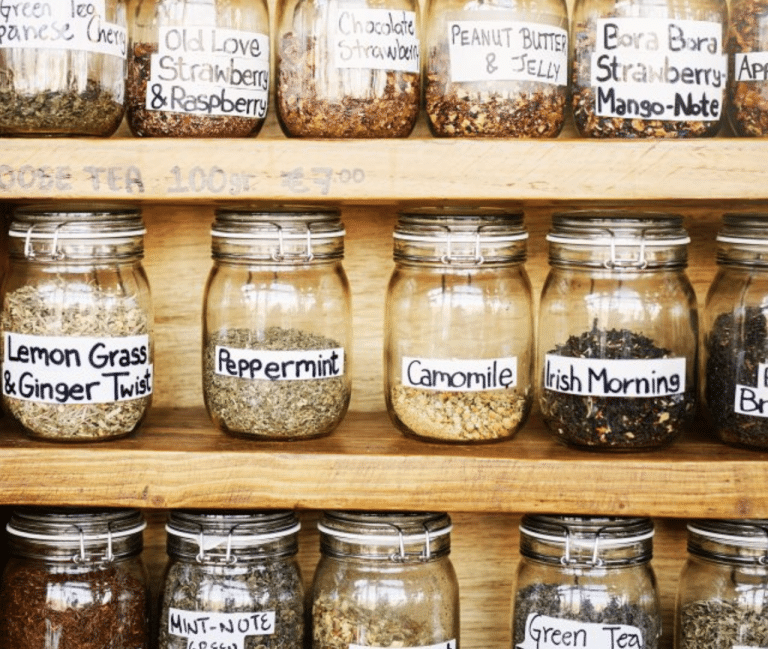
Decanting pantry staples into matching containers looks nice, but it only stays functional if everything’s well labeled, otherwise you’re just guessing at contents through a clear container instead of an opaque one. Good labeling has made our pantry a fair amount faster to actually use during meal prep.
Include both the item name and any relevant date information for things like opened packages, this has cut down on wasted, forgotten food a good deal.
13. Create a Designated Snack Zone for Kids
Having a specific, kid-accessible shelf or bin for approved snacks has cut down a good deal on the constant “can I have a snack” questions, since kids can independently check and grab from a pre-approved selection. This has given my kids real independence while keeping some structure around what’s actually available.
Keep this zone at a height kids can reach without help, the whole point is reducing how often you need to be directly involved in this specific daily request.
12. Store Frequently Used Items at Eye Level
Items used constantly, everyday plates, common spices, should live at the most accessible height, while rarely used items can go higher or lower where reaching isn’t as convenient. This basic principle has made our daily kitchen routine a good deal more efficient once we actually applied it deliberately.
This sounds obvious, but it took an honest audit of what we actually reach for daily versus occasionally to actually implement it correctly rather than just guessing.
11. Use a Lazy Susan for Corner Cabinets
Corner cabinets are notoriously hard to use efficiently, with items easily getting lost or forgotten in the back corners. A lazy susan solves this by bringing everything within easy reach with a simple spin, rather than requiring an awkward reach into the depths of the cabinet.
This has turned one of our most frustrating storage spaces into one of the more functional ones in the whole kitchen.
10. Keep a Clear Counter Workspace as a Priority
Cluttered counters make actual cooking harder and more stressful, even if the clutter itself isn’t technically in the way of a specific task. Prioritizing at least one genuinely clear counter workspace, even if other areas hold more clutter, has made cooking feel meaningfully less chaotic day to day.
This has required real discipline about what’s allowed to live on the counter permanently versus what needs to find an actual home elsewhere.
9. Organize the Fridge by Zone Too
Similar to cabinet organization, dedicating specific fridge zones, a produce drawer, a dairy shelf, a leftovers zone, keeps things predictable and makes it easier to spot what’s about to expire before it’s forgotten. This has cut down noticeably on food waste in our house.
Do a quick fridge check before grocery shopping each week, this zone system makes it fast to see what’s actually running low versus what still has plenty left.
8. Store Cutting Boards Vertically
Flat-stacked cutting boards are awkward to access, usually requiring you to lift several to get to the one you actually want. A simple vertical slot or rack keeps each board individually accessible without the stacking hassle.
This small change has made meal prep noticeably faster, since grabbing the right board no longer requires unstacking half the collection first.
7. Create a Simple System for Kids’ Dishes
Keeping kid-specific plates, cups, and utensils in a low, easily accessible cabinet has given my kids real independence in setting their own places and getting their own water, cutting down on a surprising number of small daily requests for help. This has made mealtimes noticeably smoother across the board.
This works especially well paired with the snack zone mentioned earlier, giving kids a self-sufficient corner of the kitchen that’s actually built for their height and reach.
6. Use Under-Sink Space More Intentionally
Under-sink cabinets often become a chaotic catch-all, but a bit of intentional organization, tension rods, small bins, stacking shelves, can turn this typically wasted space into useful storage. This has freed up space elsewhere in the kitchen for items that make more sense in a more central location.
Account for the pipes when planning storage here, this space has an awkward shape that benefits from flexible, adjustable storage solutions rather than rigid, fixed shelving.
5. Keep a Rotating “Use It Up” Section in the Pantry
A designated spot for items nearing their expiration or that need to be used relatively soon keeps them visible and top of mind rather than getting pushed to the back and forgotten. This has meaningfully cut down on expired, wasted pantry items in our house.
Check this section when meal planning each week, incorporating these items directly into the upcoming menu has made real use of what would otherwise likely go to waste.
4. Reduce Duplicate and Rarely Used Items
A genuine decluttering pass through the kitchen, removing duplicate gadgets and rarely used items taking up prime storage space, frees up real room for what actually gets used regularly. This is worth doing periodically rather than as a one-time project, since kitchen clutter does tend to slowly rebuild over time.
Be honest during this process about what you actually reach for versus what seemed like a good idea at the time of purchase but never really earned its keep.
3. Set Up a Simple System for Recycling and Trash
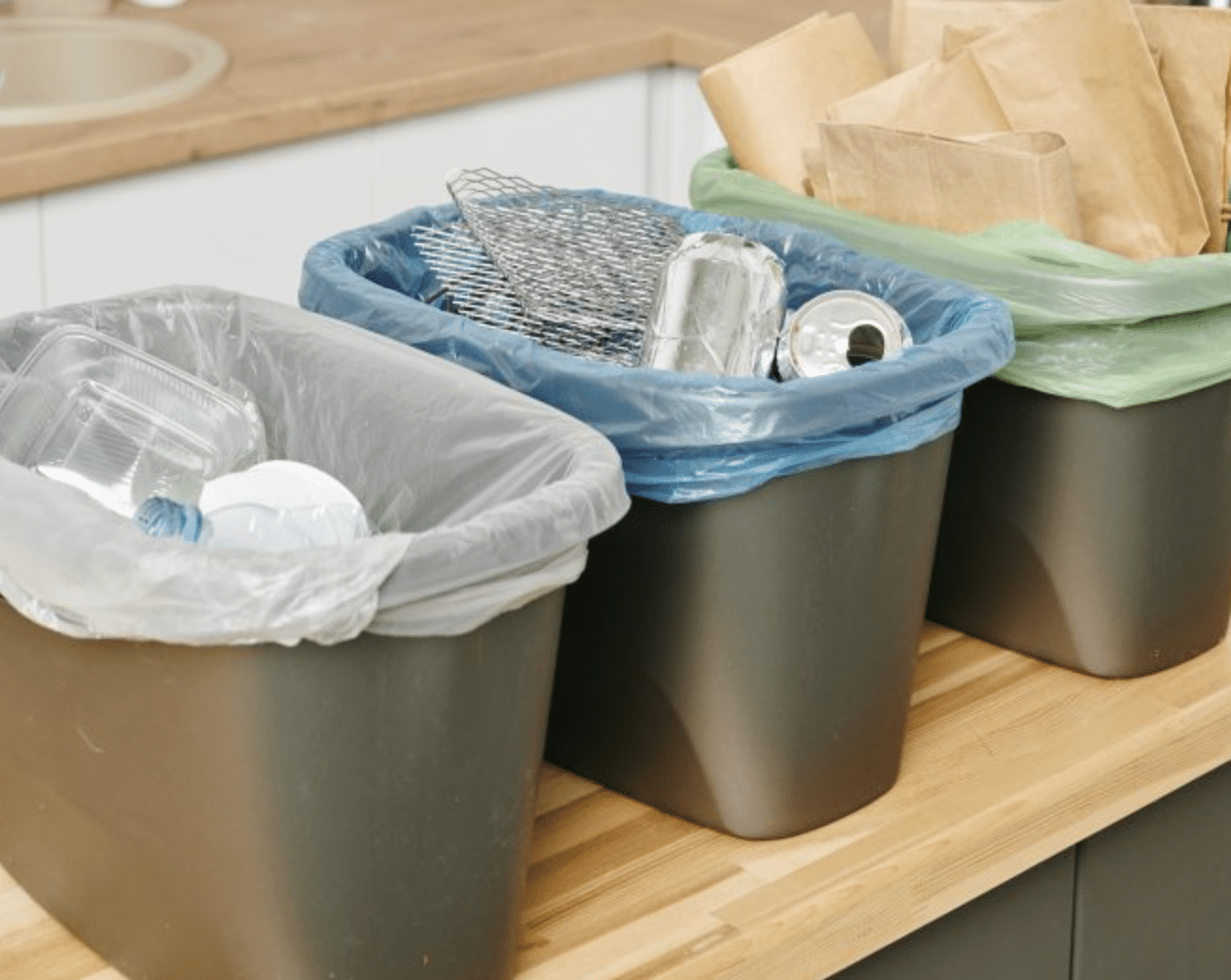
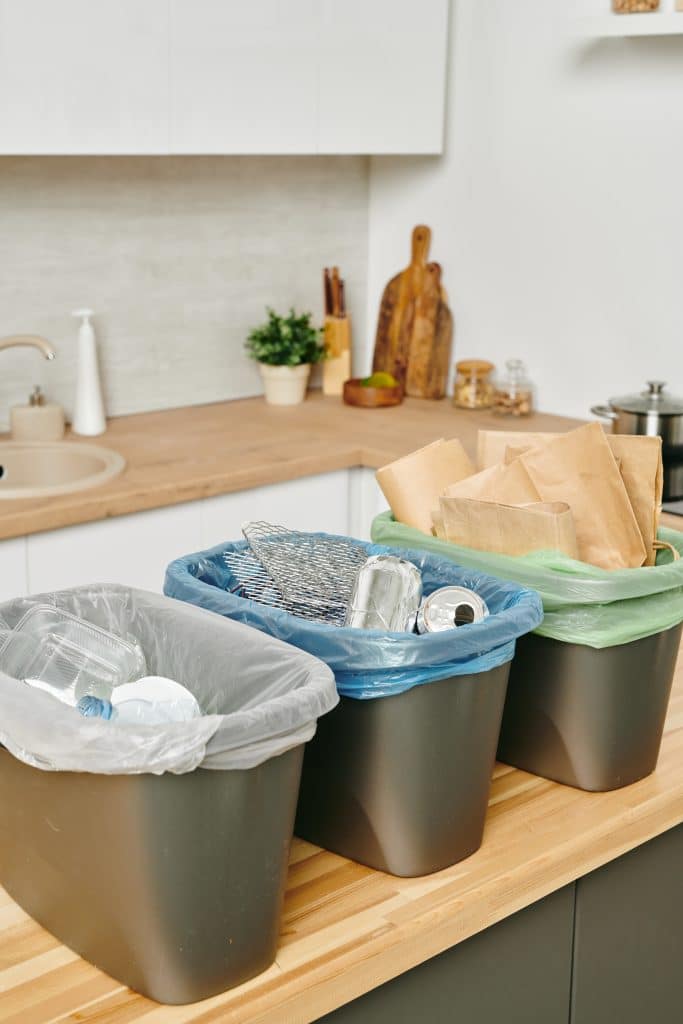
A poorly placed or overly complicated recycling and trash system creates its own daily friction. Keeping these bins in an accessible, logical spot, with clear separation if you’re sorting recycling, has made this daily task quite a bit smoother and less likely to be done incorrectly out of frustration.
This is a small system that’s easy to overlook when thinking about kitchen organization generally, but it affects daily use more than its low profile might suggest.
2. Build a Consistent End-of-Day Reset Routine
Beyond the physical storage systems themselves, a quick nightly kitchen reset, dishes done, counters cleared, has made mornings a lot smoother than waking up to the previous day’s mess still waiting. This has become a simple, quick habit rather than a dreaded separate chore.
This reset takes just a few minutes but changes how the kitchen feels first thing in the morning, ready to use rather than needing to be cleaned before anything else can happen.
1. Design the System Around Your Actual Cooking Habits
The single biggest lesson from years of kitchen reorganizing is that a beautiful, Pinterest-inspired system means nothing if it doesn’t actually match how your specific family cooks and eats day to day. The systems that have really stuck in our kitchen are the ones built around our real habits, not an idealized version of how I wish we cooked.
If you’re reorganizing your own kitchen, I’d start by honestly observing your actual daily patterns for a week before making any changes, what you reach for constantly, where you tend to get frustrated, rather than starting from a generic template. A system built around your real life will hold up far longer than one built around someone else’s idealized kitchen routine. The pantry is a natural next stop once the rest of the kitchen’s sorted, and my pantry organization ideas cover that piece specifically.