
The Weekly Meal Planning System That Actually Saves Me Time
For years I told myself I didn’t have time to meal plan, which is a little ironic given how much time I was actually losing every single evening standing in front of the fridge trying to figure out dinner from scratch. Once I actually built a real system rather than just occasionally jotting down a few dinner ideas, meal planning went from feeling like an extra chore to genuinely being the thing that gives me time back every week.
This guide walks through the actual system I use now, built up over a lot of trial and error with three kids’ worth of opinions factored in, and leaning heavily on a rotating cast of one-pot dinners and freezer staples along the way. It’s not complicated, but it does require a bit of upfront structure to actually stick.

Why a System Beats Winging It
Deciding dinner fresh every single day, even for someone who genuinely enjoys cooking, adds up to a lot of small daily decisions that quietly drain mental energy over a week. Planning ahead removes that decision from the busiest part of the day, when everyone’s tired and hungry and patience is already running low.
I didn’t fully appreciate how much this mattered until I actually tried planning for a few consistent weeks and noticed how much calmer my early evenings felt without that one more decision hanging over me.
Start With a Rough Weekly Template, Not a Rigid Menu
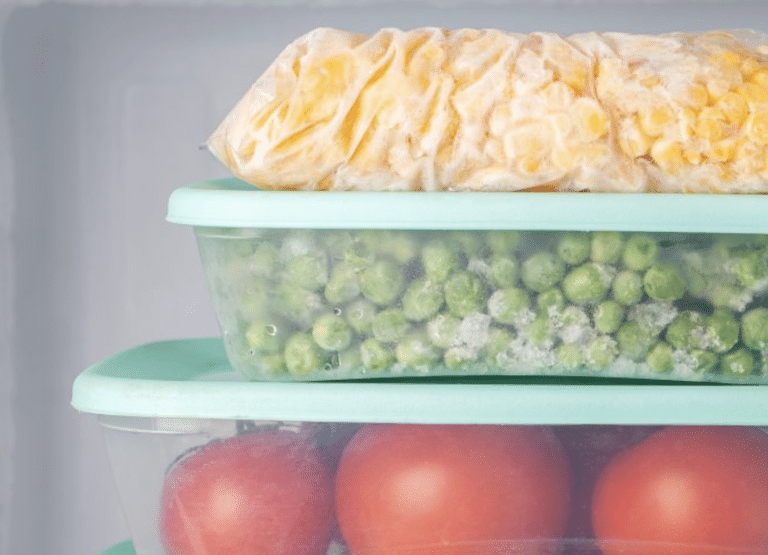
Rather than planning seven completely unique dinners each week, which felt like too much decision-making in itself, I built a rough template, a couple of nights for one-pot meals, one night for something from the freezer, one flexible night for leftovers or whatever’s about to go bad in the fridge. This structure means less actual planning time while still avoiding the same handful of meals on repeat.
This template also flexes naturally around a busy week, a night I know will be especially hectic automatically becomes the freezer meal night rather than something I have to remember to adjust for separately.
Plan Around Your Actual Week, Not an Idealized One
The biggest shift for me was planning meals based on what each specific day actually looks like rather than an assumed identical version of every weekday. A night with an evening activity gets a faster meal, a slower weeknight gets something a bit more involved, and this match between meal complexity and actual available time and energy has made the whole system far more sustainable.
I keep a simple running note of the week’s schedule and build the meal plan directly around it, rather than planning meals in isolation and hoping the schedule cooperates.
Batch Planning on a Low-Stress Day
I set aside about fifteen minutes on a Sunday to plan the coming week’s dinners, check what’s already in the fridge and pantry, and build a grocery list around any gaps. This single habit has probably saved me more actual time than any other part of this whole system.
Doing this while doing something else, having coffee, folding laundry, means it doesn’t feel like an extra task tacked onto an already busy day, just a few minutes of intentional thought layered onto something already happening.
Building the Grocery List Directly From the Plan
Rather than grocery shopping first and figuring out meals from whatever I bought, which reliably led to random ingredients going unused, I build the shopping list directly from the week’s planned meals. This has cut down on both food waste and the number of extra mid-week store runs I used to make constantly.
I keep a running list on my phone throughout the week too, adding items as we run low on staples, so the Sunday planning session isn’t starting completely from scratch each time.
Leaning on a Rotating Set of Reliable Meals
I don’t try to plan something entirely new every single week, that felt like more pressure than the system was supposed to relieve in the first place. Instead, I lean on a rotating set of maybe fifteen or twenty reliable, kid-approved meals, cycling through them with some variation rather than reinventing dinner planning from scratch every week.
This has made planning truly faster over time, since I’m choosing from a known, trusted list rather than searching for new recipes constantly. New recipes still get added occasionally, but they’re the exception, not the weekly default.
Prepping Ahead Where It Actually Helps
Beyond just planning what we’ll eat, doing a bit of actual prep on the planning day, chopping vegetables, portioning proteins, makes the actual cooking on a busy weeknight noticeably faster. I don’t prep everything for the whole week, just the pieces that would otherwise eat up real time on a night I know will already be tight.
This is a step worth adding gradually rather than all at once, I started with just prepping vegetables for one or two meals and expanded from there once I saw how much time it actually saved.
Building in Flexibility for the Unexpected
A meal plan that assumes everything will go exactly as scheduled tends to fall apart the first time real life doesn’t cooperate, and when it does, it can feel like the whole system failed rather than just needing a small adjustment. I build in one flexible night each week, no specific plan, just whatever makes sense from what’s on hand, so an unexpected schedule change doesn’t derail the entire week.
This flexibility is really what’s made the system sustainable for me long-term, rather than something I abandon the first week life throws a curveball at the plan.
Involving Kids in the Planning Process
Once this system started working well, I started asking my kids for input on a night or two each week, giving them a small sense of ownership over the plan while still keeping the overall structure intact. This has cut down on dinner complaints, since they’re more invested in a meal they had some say in choosing.
This doesn’t need to be a full negotiation, even just picking between two options I’ve already pre-selected gives them a real sense of choice without turning meal planning into an actual debate every week.
Final Thoughts
A weekly meal planning system doesn’t need to be elaborate to change how your evenings feel. Building a rough weekly template rather than a rigid unique menu, planning around your actual schedule, batch planning during a low-stress moment, and leaning on a rotating set of reliable meals together create a system that survives contact with a real, busy family life.
If you’re skeptical this is worth the upfront time, I’d suggest trying it for just two weeks before deciding either way. The difference in how much calmer dinner time actually feels tends to show up almost immediately, and that alone made the small amount of Sunday planning time worth it for me many times over. My freezer cooking guide and running list of easy freezer meals are natural next steps once this weekly rhythm feels settled.