A Room-by-Room Guide to Decluttering When You Don’t Have a Free Weekend
The idea of decluttering the whole house always sounded appealing to me in theory and completely unrealistic in practice, since finding an entire free weekend with three kids and a full schedule genuinely never happens. What actually worked was breaking the whole process down into small, manageable pieces that fit into the actual pockets of time I have, rather than waiting for a mythical free weekend that was never going to arrive.
This guide walks through how to declutter room by room using short, realistic time blocks, fifteen to thirty minutes at a time, rather than the marathon decluttering sessions most advice assumes you have the time and energy for. It’s slower than a single weekend blitz, but it’s actually achievable for a genuinely busy household, and it pairs naturally with the room-specific ideas I’ve already written up for toy organization and the kitchen.
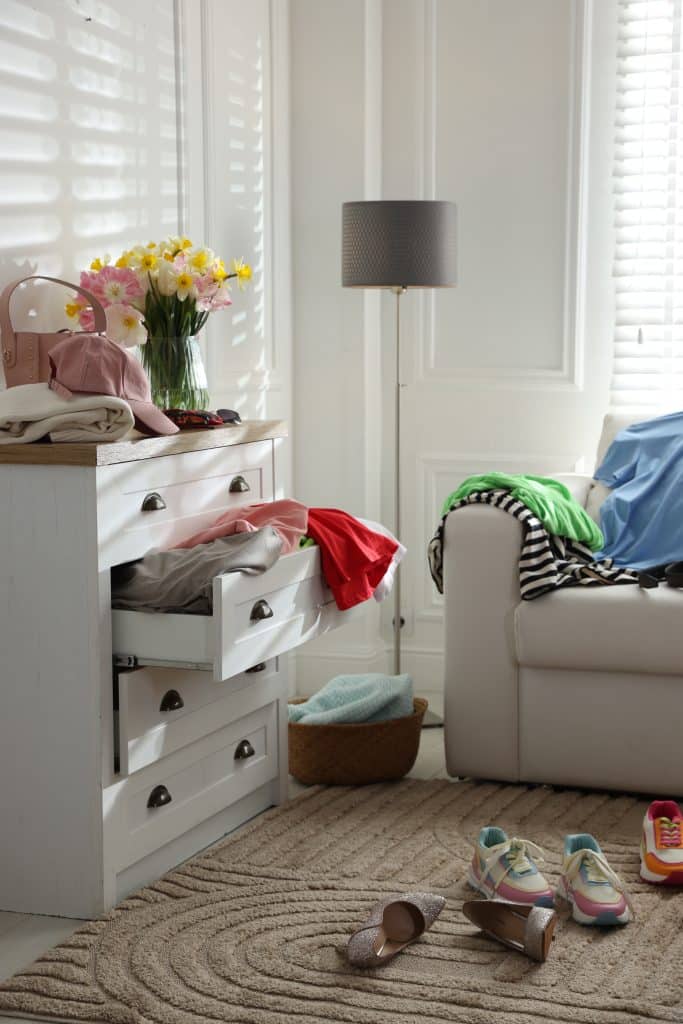
The Core Principle: Small, Consistent Sessions Over One Big Push
The biggest mindset shift for me was accepting that decluttering doesn’t need to happen all at once to actually work. Short, focused sessions, even just fifteen minutes tackling one specific drawer or shelf, add up to real progress over weeks without requiring the kind of dedicated block of time that rarely materializes in a busy household.
This approach also tends to produce better decisions than an exhausting marathon session, since decision fatigue sets in fast during a long declutter, leading to either keeping too much out of exhaustion or getting rid of things too hastily just to be done.
Starting With the Entryway
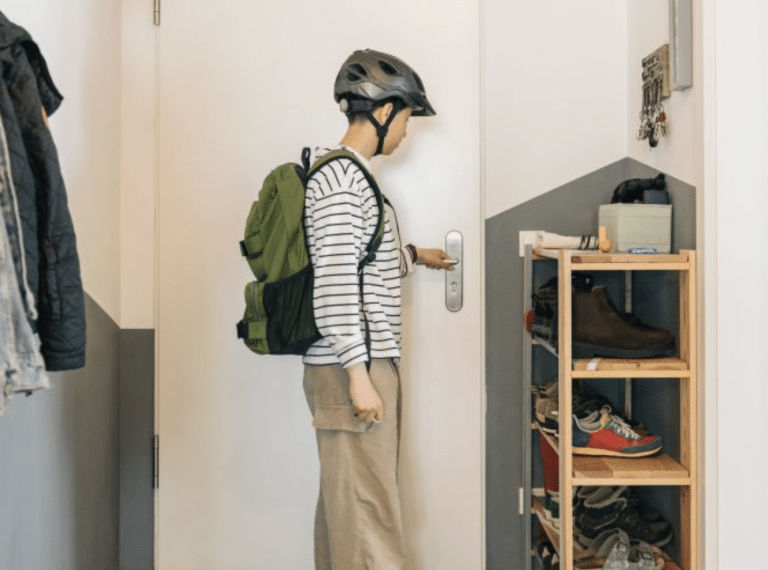
The entryway is a good starting point since it’s typically a smaller space with a manageable number of item categories, shoes, bags, outerwear, and quick wins here build real momentum for the rest of the process. A single fifteen-minute session can really transform this space, which makes it a satisfying, motivating place to begin.
Focus on removing anything that’s not actually being used, outgrown shoes, coats that no longer fit, before worrying about organizing what remains. Decluttering before organizing prevents you from building a beautiful system around things you didn’t actually need to keep.
The Kitchen, Broken Into Small Zones
The kitchen tends to feel overwhelming as a single project, but breaking it into specific zones, one drawer, one cabinet, one shelf, per session makes it actually manageable. I tackled our kitchen over several weeks this way, one zone at a time, rather than attempting it all in a single exhausting push.
Start with the areas causing the most daily frustration, an overstuffed utensil drawer, a chaotic pantry shelf, since addressing these first delivers the most immediate, noticeable relief relative to the time invested.
Kids’ Rooms and the Toy Question
Kids’ rooms benefit enormously from involving the kids themselves in the process, even young kids can participate in simple decisions about what to keep. This takes a bit more time than doing it solo, but it builds real buy-in and has led to fewer complaints about missing toys after the fact compared to decluttering entirely without their input.
Break this into toy categories rather than the whole room at once, one session for stuffed animals, another for building toys, rather than trying to tackle an entire room’s contents in one sitting.
The Closet, One Category at a Time
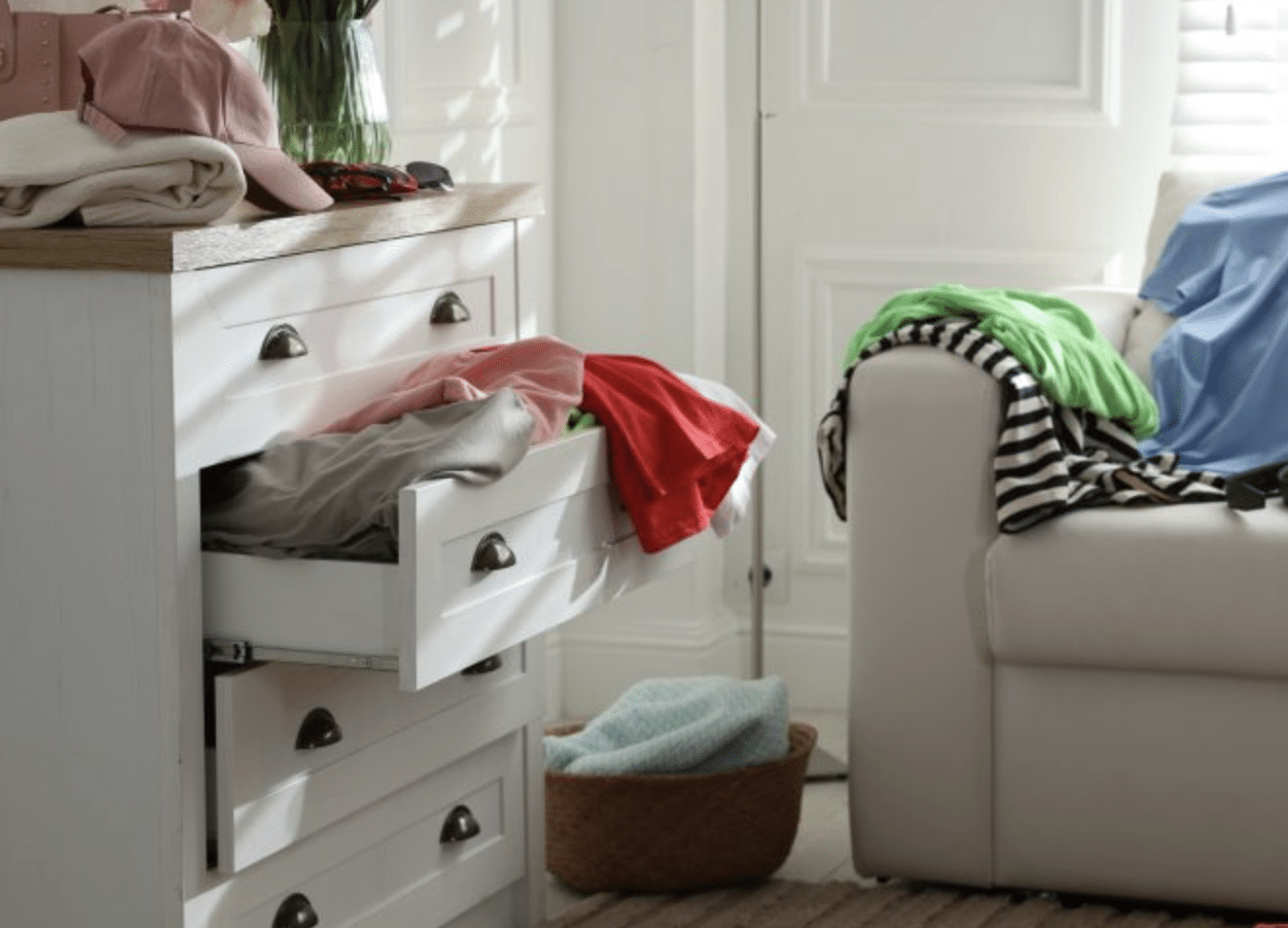
Rather than emptying an entire closet at once, which tends to create more chaos than progress if you don’t finish in one sitting, working through one category at a time, tops one session, bottoms another, keeps each session completable within your available time block. This has prevented the half-finished, worse-than-before mess that used to happen with my earlier, more ambitious closet decluttering attempts.
Use the same honest evaluation for each category, would I buy this again today, rather than keeping things purely out of guilt or hypothetical future use that rarely actually materializes.
The Bathroom, a Genuinely Fast Win
Bathrooms tend to be small enough that even a full declutter fits into a single short session, making this a good choice when you only have a brief window of time available. Expired products, empty containers, and duplicate items tend to make up a surprising amount of typical bathroom clutter once you actually look closely.
This is a good room to tackle when you have an unexpected small pocket of free time, since the whole space can be completed start to finish in one sitting.
The Paperwork Pile, Broken Into Sessions
Paper clutter benefits enormously from the small-session approach specifically, since sorting through papers requires actual decisions on each item, which is mentally tiring in a way that limits how long a single session can realistically be productive. Setting a specific time limit, even just fifteen minutes, and stopping when it’s up, regardless of whether you’re done, has kept this task from becoming the overwhelming, abandoned project it used to be.
Pair this with the ongoing paper systems that prevent new clutter from accumulating in the first place, decluttering existing piles matters less if new clutter is building up just as fast behind you.
The Garage or Storage Areas, Saved for Last
Larger storage areas, a garage, an attic, a basement, tend to require more physical effort and often benefit from being tackled after you’ve built momentum and decision-making confidence in smaller spaces first. I saved our garage for last specifically because the skills and decisiveness built through the earlier, smaller rooms made this larger, more overwhelming space considerably more manageable by the time I got to it.
Break even this larger space into specific zones or categories rather than treating it as one single project, the same small-session principle applies here too, just spread across more total sessions given the space’s larger scope.
Maintaining Momentum Without Burning Out
The real risk with this gradual approach isn’t lack of progress, it’s losing momentum partway through and never actually finishing. I’ve found that scheduling these sessions on a consistent, if not overly frequent, basis, a couple of times a week rather than daily, has kept genuine progress moving without becoming its own source of burnout or resentment.
Celebrating small completed zones, rather than only feeling satisfied once an entire room is done, has also helped maintain motivation through what’s realistically a multi-week or even multi-month process for a full household declutter.
Preventing the Clutter From Rebuilding
Decluttering without addressing the habits that created the clutter in the first place tends to result in the same mess slowly rebuilding over time. Pairing each decluttered space with a simple, sustainable maintenance habit, the entryway reset, the kitchen zones, the paper sorting system, has made the results actually last rather than needing to repeat the same full declutter again in another year.
This is really the difference between a temporary fix and a genuine long-term solution, addressing not just the current clutter but the ongoing patterns that would otherwise recreate it.
Final Thoughts
Decluttering a whole house doesn’t require a mythical free weekend that never actually arrives for most busy families. Breaking the process into small, room-specific sessions, starting with quick wins to build momentum, and pairing each decluttered space with a sustainable maintenance habit together create real, lasting progress that fits into an actual busy life.
If the idea of decluttering your whole house feels overwhelming, I’d start with just one fifteen-minute session in whatever space is causing you the most daily frustration right now. That single small session tends to build the momentum needed to keep going, one manageable piece at a time, rather than waiting for conditions that realistically may never arrive. Our pantry organization ideas are a good next stop if the kitchen ends up being your first real session.