15 Entryway Organization Ideas for Busy Mornings
Our entryway used to be the single biggest source of morning chaos in the entire house, shoes scattered everywhere, backpacks nowhere to be found, that last-minute scramble for a missing item happening right as we needed to be out the door. Getting this one space actually organized ended up making a bigger difference to our busy mornings than almost any other change I’ve made in the house.
These are the 15 ideas that have actually worked in our entryway, counted down to the one that made the biggest overall difference. All of them are realistic for a busy household, not a Pinterest-perfect mudroom that only works if nobody actually uses it.
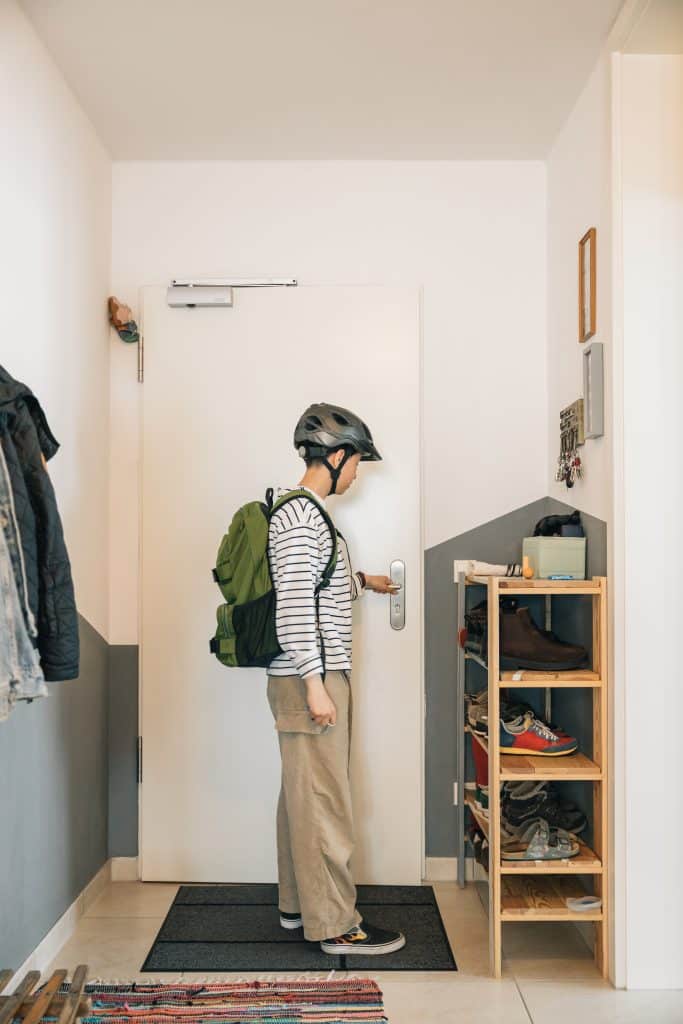
15. A Designated Shoe Storage Spot
Shoes left wherever they happened to come off tend to become a pile blocking the whole entryway within days. A specific storage spot, a rack, a bin, even just a defined section of floor, gives shoes an actual home and cuts down considerably on the morning search for a missing pair.
Keep it low and accessible for kids to use independently, this has made a real difference in how consistently my kids actually put their own shoes away without needing a reminder.
14. Hooks at Kid Height for Bags and Coats
Adult-height hooks are simply unusable for younger kids, which means bags and coats end up dropped on the floor instead. Installing a second, lower row of hooks specifically at kid height has made independent hanging up genuinely achievable rather than something that requires help every single time.
This small adjustment has cut down considerably on the daily “hang up your coat” reminders that used to be part of our routine.
13. A Landing Zone for Keys and Wallets
Losing track of keys right when you’re trying to leave is one of those small frustrations that adds real stress to an already tight morning window. A simple designated bowl or hook specifically for keys and wallets has eliminated this particular scramble almost entirely.
Keep it right by the door, not tucked somewhere less obvious, the whole point is that it’s the natural place your hand goes on the way out.
12. A Basket for Outgoing Items
Library books to return, forms that need to go back to school, anything that needs to leave the house, having one designated basket specifically for outgoing items means these things don’t get lost in the general household clutter before they’re actually needed. This has cut down a fair amount on last-minute searches for something that was supposed to go out the door that day.
Check this basket as part of your actual morning routine, making it a habit rather than an afterthought has made this system a lot more reliable.
11. A Bench With Storage Underneath
A bench serves double duty, giving kids a place to actually sit while putting on shoes, while storage underneath keeps additional items contained rather than scattered across the floor. This has made our whole entryway feel more functional as an actual transitional space rather than just a spot things pile up.
This doesn’t need to be an expensive furniture piece, even a simple storage bench has made a real difference in how our entryway actually functions day to day.
10. A Command Center for Papers and Schedules
Beyond physical items, entryways benefit from a simple visual system for time-sensitive information, a calendar, a whiteboard, anything that keeps the household’s actual schedule visible right where everyone passes by on the way out. This has cut down on missed reminders about upcoming events or deadlines.
Keep it simple and current, an outdated or overly cluttered command center becomes background noise rather than something actually useful.
9. Individual Bins or Cubbies Per Kid
Rather than one shared, undifferentiated storage area, giving each kid their own specific bin or cubby has cut down a good deal on the “whose backpack is this” confusion that used to slow down our mornings. Kids also seem to take more ownership of a space that’s obviously designated as theirs specifically.
Label each one plainly, even just with a name, this small addition has made the whole system a fair amount easier for everyone to actually follow consistently.
8. A Weather-Appropriate Gear Basket
Umbrellas, gloves, sunscreen, whatever seasonal gear tends to be needed on the way out, having a dedicated basket for these items means you’re not searching the whole house for an umbrella the one morning it’s actually raining. This has saved us real time and stress on unpredictable weather mornings.
Rotate the contents seasonally, this keeps the basket relevant rather than accumulating gear for every possible season all at once.
7. A Mirror Near the Door
A quick final check before heading out, hair, outfit, general appearance, is much easier with a mirror right there rather than needing to backtrack to another room. This small addition has cut down on the “wait, I need to check something” delays that used to happen right as we were trying to leave.
This doesn’t need to be elaborate, even a simple mirror mounted near the door has made this small daily check a fair amount more convenient.
6. A Charging Station for Devices
If devices, phones, tablets, need to come along for the day, a designated charging spot in the entryway means they’re actually charged and ready rather than discovered dead right as you’re heading out. This has become a small but genuinely useful addition to our overall system.
Keep cords organized and plainly labeled if multiple devices charge in the same spot, this prevents the tangled cord frustration that can undermine an otherwise good system.
5. A Simple Checklist Posted by the Door
For younger kids especially, a simple visual checklist, backpack, shoes, coat, lunch, posted right at eye level near the door gives an independent way to verify they have everything before leaving. This has cut down quite a bit on the items forgotten and remembered only once we’re already in the car.
Use pictures alongside words for younger kids who can’t read fully yet, this makes the checklist genuinely usable independently rather than requiring a parent to read it aloud each time.
4. A Drop Zone for Mail and Packages
Mail and deliveries that come through the entryway can quickly become their own separate pile if there’s no designated spot for them. A simple basket or tray specifically for incoming mail keeps this from mixing into the general entryway clutter and becoming its own source of chaos.
Sort through this basket regularly, even just once a week, to keep it from becoming a permanent pile rather than a genuine temporary holding spot.
3. Clear Bins for Seasonal Rotation
Similar to a full closet system, entryway storage benefits from rotating seasonal items, heavier coats in winter, sunscreen and hats in summer, rather than keeping everything accessible year-round. Clear bins for whatever’s currently out of season keep things contained without needing to be dug through when swapping seasons.
This rotation has kept our entryway from becoming permanently overloaded with items that are only actually relevant a few months out of the year.
2. A Consistent Nightly Reset Routine
Beyond the physical storage systems themselves, a quick nightly reset, putting things back in their designated spots before bed, has made mornings noticeably smoother than trying to organize everything fresh each morning under time pressure. This has become a simple, quick part of our evening routine rather than a separate chore.
This reset takes just a few minutes but has prevented the accumulated chaos that used to build up over just a few days without any consistent tidying.
1. Making the System Simple Enough to Actually Maintain
The single biggest lesson from all of this is that an elaborate, beautiful entryway system means nothing if it’s too complicated for a busy family to actually maintain day after day. The systems that have genuinely stuck in our house are the simplest ones, clear, obvious spots for the handful of things that actually need a home near the door, rather than an ambitious system that looks great for the first week and then quietly falls apart.
If you’re setting up your own entryway system, I’d start with just the few items that cause the most daily friction, shoes, bags, keys, rather than trying to organize every possible category all at once. A simple system actually maintained beats an elaborate one abandoned within a month, every single time. Once the entryway’s handled, our paper clutter system tackles the next biggest daily pile, since so much of it lands right in this same spot.