A Beginner’s Guide to Freezer Cooking for Busy Families
I resisted freezer cooking for a long time, mostly because I assumed it required a dedicated weekend, specialized equipment, and a level of organization I genuinely didn’t have with three kids underfoot. It turns out the actual barrier to entry is much lower than I expected, and once I started, it quickly became one of the habits that’s made the biggest difference in how manageable weeknight dinners actually feel.
This guide covers everything I wish someone had told me before I started, the actual basics of what freezes well, how to store it properly, and how to build this into your routine, tying directly into the weekly meal planning system I use for everything else in the kitchen, without it becoming its own overwhelming project.
Understanding What Actually Freezes Well
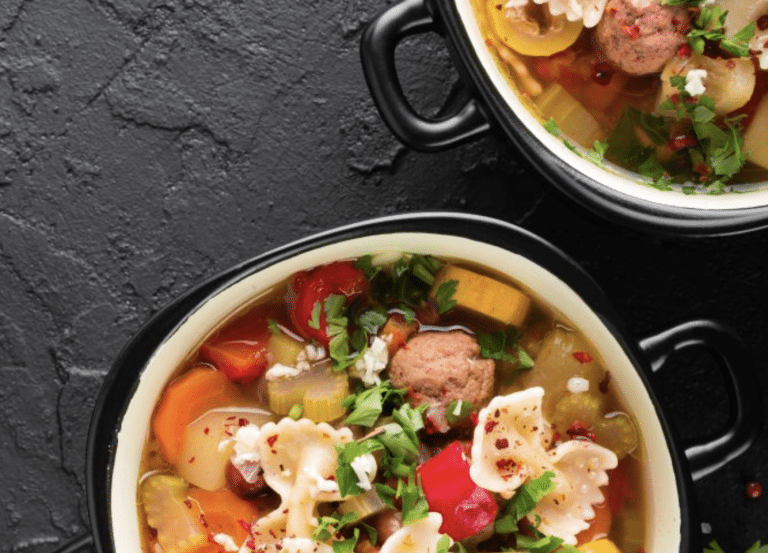
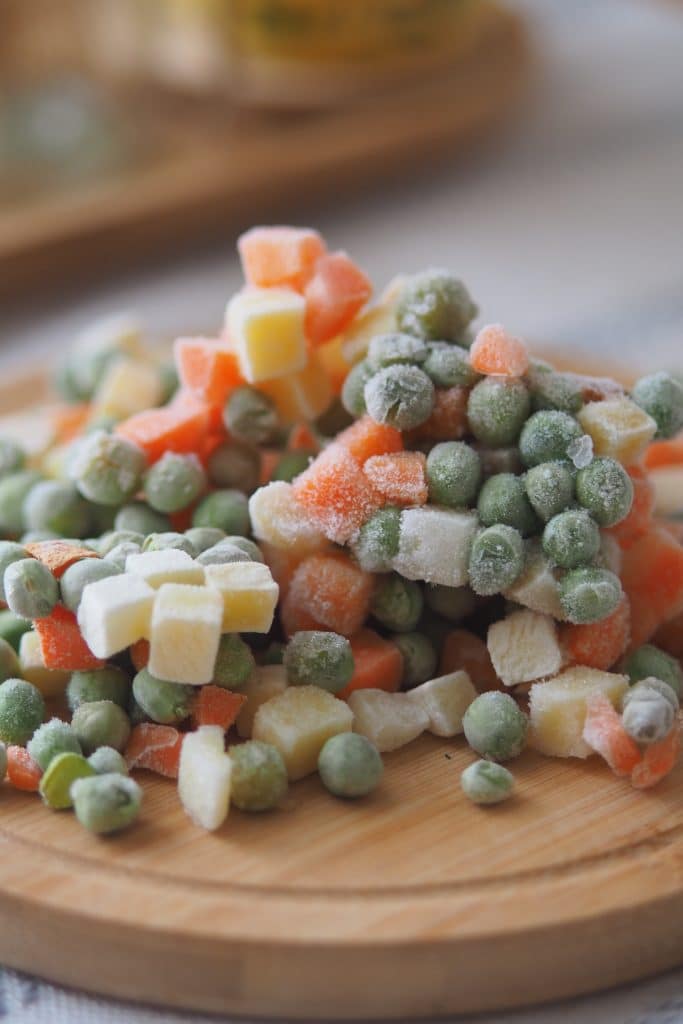
Not everything holds up well in the freezer, and knowing the general categories that do and don’t work saves a lot of trial and error. Soups, stews, casseroles, cooked grains, and most sauces freeze beautifully, while foods with a lot of raw vegetables, dairy-based sauces without a proper roux base, and fried foods tend to suffer more in texture after freezing and reheating.
This doesn’t mean those trickier categories are entirely off-limits, just that they benefit from a bit more care, slightly undercooking vegetables before freezing so they don’t turn mushy on reheating, for example. Learning these general patterns took me a few early freezer cooking mistakes to fully internalize.
Choosing the Right Storage Containers
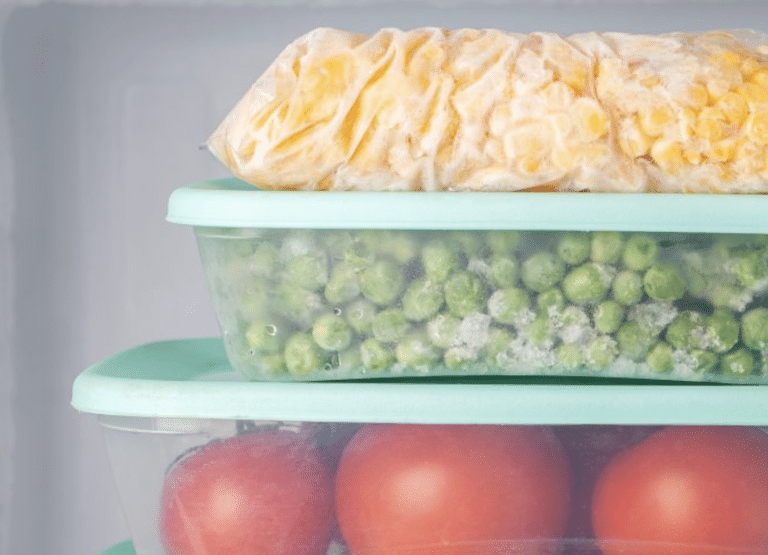
Proper storage genuinely matters more than people expect, since the wrong container leads to freezer burn, leaks, or food that’s simply harder to actually use later. I use a mix of freezer-safe bags for flatter items like soups or shredded meat, and rigid containers for anything with more structure, like a casserole.
Freezer bags laid flat while freezing, rather than left in a lump, both freeze faster and stack more efficiently once solid, which has made a real difference in how much I can actually fit in my freezer at once.
The Importance of Labeling Everything
This is the step I skipped early on and regretted constantly, a freezer full of unlabeled bags becomes a genuine guessing game a few weeks later. I label everything with the contents, the date, and basic reheating instructions, which has saved me from both waste and a fair amount of freezer archaeology.
Use a permanent marker directly on freezer bags, or freezer-safe labels for rigid containers, either works as long as it’s actually legible once the container is frozen solid.
Portioning for Your Actual Family Size
Freezing a giant batch as one single container means thawing far more than you might need on a given night. I portion most items into meal-sized servings before freezing, which lets me pull exactly what a given night calls for rather than thawing an entire week’s worth of food at once.
This takes a bit more container space than freezing in one large batch, but the flexibility has been worth it consistently enough that I don’t think twice about the tradeoff anymore.
Building Freezer Cooking Into an Existing Routine
Rather than treating freezer cooking as a separate, dedicated project, I’ve found it works best folded into cooking I’m already doing. Doubling a recipe I’m already making for dinner and freezing the extra portion adds minimal effort while steadily building up a freezer stash over time.
This approach has been far more sustainable for me than the occasional big batch cooking day I used to attempt and then abandon after a couple of exhausting tries. Small, consistent additions have built up a truly useful stash without ever feeling like a huge project.
A Simple Rotation System So Nothing Gets Forgotten
Freezers have a way of becoming a black hole where food goes to be forgotten, and a simple system prevents this. I keep a running list, just a note on my phone, of what’s currently in the freezer, updating it as I add and remove items.
This small habit means I’m actually using what’s in there rather than discovering a mystery container from months ago during a deep freezer clean. It’s a small extra step that’s made the whole system far more useful in practice.
Thawing and Reheating Safely
Proper thawing matters both for food safety and for how the final dish actually turns out. Thawing in the refrigerator overnight is generally the safest and most reliable method, though many items, particularly soups and casseroles, can go directly from freezer to oven with some additional cooking time if you’re pressed for that overnight lead time.
Avoid thawing at room temperature on the counter, this creates food safety concerns that the extra convenience isn’t worth. Planning a night or two ahead for anything that needs a proper fridge thaw becomes second nature fairly quickly once it’s part of your routine.
Starting Small Rather Than Overhauling Everything at Once
I’d strongly recommend against trying to fill an entire freezer in one big cooking marathon as a first attempt, that approach burned me out the first time I tried it and nearly turned me off freezer cooking entirely. Starting with just one or two recipes you already make regularly, doubling them and freezing the extra, is a far more sustainable way to build the habit.
Once a couple of freezer staples feel natural, expanding the rotation happens pretty naturally on its own, without needing to force a bigger commitment before you’re actually ready for it.
Freezer Organization That Actually Works
Beyond individual container choices, how you organize the freezer as a whole affects how usable your stash actually is. I keep similar categories grouped together, breakfast items in one area, dinner mains in another, so I’m not digging through the entire freezer to find one specific thing.
A simple bin or basket system within the freezer, even just repurposed from something else in the house, has made a real difference in keeping this organization from sliding back into chaos after a few weeks.
Final Thoughts
Freezer cooking doesn’t require a dedicated weekend or a complicated system to truly change how manageable your weeknight dinners feel. Understanding what actually freezes well, storing and labeling properly, portioning for your real family size, and building the habit gradually into cooking you’re already doing together create a sustainable system rather than a one-time project that fizzles out.
If you’re just getting started, I’d suggest picking one meal you already make regularly and simply doubling it the next time you cook it, freezing the extra portion properly labeled. That one small step is really how this whole habit started for me, and it’s grown from there into one of the most useful systems in my entire kitchen routine. My 19 favorite freezer meals are a good place to start once you’re ready to build out a real rotation.