19 Paper Clutter Solutions That Actually Work Long-Term
Paper clutter snuck up on me in a way other kinds of mess never did, school forms, mail, receipts, artwork, all quietly accumulating in piles across the house until I realized paper had become our single biggest organizational problem. Getting an actual system in place, rather than just periodically fighting the piles back down, has made a real, lasting difference.
These are the 19 strategies that have actually held up over time in my house, counted down to the one that made the biggest overall difference. All of them are built for a household that generates a steady, ongoing stream of paper, not a one-time purge that inevitably rebuilds itself within weeks, the same principle that shapes our whole family command center.
19. Handle Mail Immediately, Not Later
Letting mail pile up unopened, even for a day or two, tends to snowball into a much bigger pile than it would have been handled immediately. Sorting mail the moment it comes in, recycling junk right away, has prevented a huge amount of the paper clutter that used to accumulate in our house.
This takes just a couple of minutes but has made a disproportionate difference in how much paper actually makes it further into the house at all.
18. Set Up a Simple Three-Category Sort
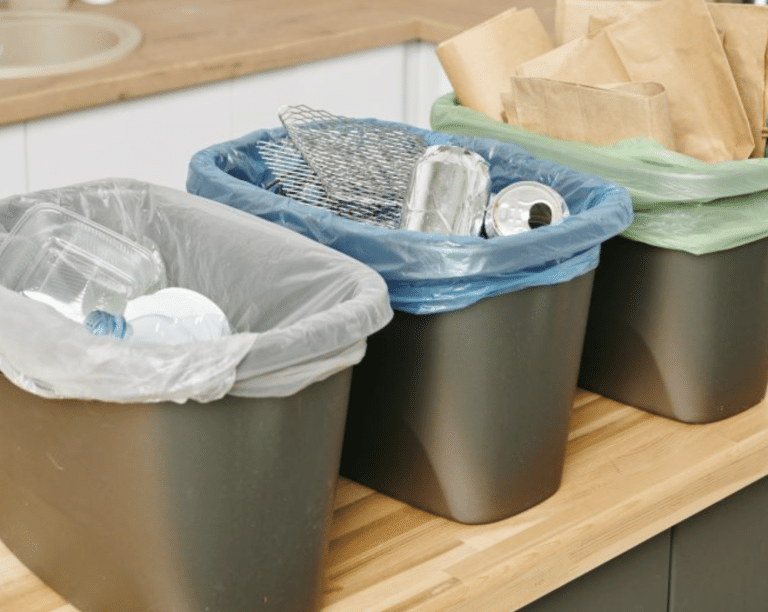
Rather than an elaborate filing system, sorting incoming paper into just three simple categories, act on soon, file for later, recycle, has been fast enough to actually maintain consistently. An overly complicated system tends to get abandoned, while this simple version has genuinely stuck.
This basic sort takes seconds per item and prevents paper from just accumulating in one undifferentiated pile waiting for a decision that never comes.
17. Create a Dedicated Inbox for Action Items
Papers that need a response, forms, bills, permission slips, benefit from a single, visible inbox rather than being scattered across various surfaces throughout the house. This has cut down considerably on missed deadlines since everything requiring action lives in one predictable, checked-regularly spot.
Check this inbox on a consistent schedule, even just once a day, rather than letting it become another passive pile that grows without ever actually being addressed.
16. Go Digital for School Communications When Possible
Many schools now offer digital versions of forms and newsletters, and opting into these where available has cut down considerably on the sheer volume of paper coming into our house in the first place. This isn’t always fully possible, but even partial adoption has made a real difference.
Check with your specific school about digital options, this varies more than people expect and it’s worth actually asking rather than assuming paper is the only option.
15. Scan Important Documents Instead of Keeping Originals
For documents that need to be kept but don’t require a physical original, scanning and storing digitally has freed up considerable physical storage space. A simple scanning app on a phone works fine for this, no dedicated scanner required.
Organize digital files with clear naming and folder structures, this prevents the digital version from becoming just as disorganized as the physical piles it replaced.
14. Use a Wall-Mounted File Sorter for Active Papers
For papers currently in use or awaiting action, a simple wall-mounted sorter keeps them visible and accessible without taking up counter or table space. This has kept our active papers from spreading across every flat surface in the kitchen, which used to be a constant problem.
Label each slot plainly by category or by household member, this makes the system a fair amount easier for everyone in the house to actually use consistently.
13. Set a Recurring Time for Filing
Papers that are sorted but never actually filed just become a different kind of pile. Setting a specific, recurring time, once a week works well in our house, to actually file everything from the “file for later” category has kept this step from being perpetually postponed.
This doesn’t need to take long, even fifteen minutes on a consistent schedule has prevented the filing backlog that used to build up when this step had no dedicated time at all.
12. Create a Simple, Broad Filing Category System
An overly detailed filing system with dozens of specific categories tends to become harder to maintain than a simpler one with broader categories. I’ve found a handful of general categories, medical, financial, school, home, cover most of what actually needs filing without requiring constant decisions about overly specific subcategories.
This simplicity has made the whole filing system a lot faster to actually use, both for filing new documents and for finding something later.
11. Deal With Kids’ Artwork and School Papers on a Schedule
The sheer volume of art and school papers kids bring home can become overwhelming without a specific plan for handling it. I do a regular review, keeping genuine favorites and recycling the rest, rather than trying to keep everything or feeling guilty about letting anything go.
Photographing pieces you’re not keeping physically, but still want a record of, has struck a good balance between honoring the effort and not drowning in accumulated paper.
10. Use a Rotating Display for Current Artwork
Rather than every piece of kids’ art immediately going into storage or the recycling bin, a rotating display, a clipboard wall, a designated frame, gives current favorites a visible moment before eventually being archived or let go. This has made the letting-go process feel less abrupt, since pieces get genuinely appreciated first rather than disappearing immediately.
This system naturally cycles as new pieces come home, keeping the display fresh without requiring active management beyond the periodic swap.
9. Shred Sensitive Documents Promptly
Sensitive documents that pile up awaiting shredding create both clutter and a real security concern. Shredding promptly, or keeping a small designated bin specifically for shred-pending items that gets emptied regularly, has kept this category from becoming its own lingering pile.
A small personal shredder has been worth the modest cost for how much it’s cut down on this specific kind of accumulation in our house.
8. Unsubscribe From Unnecessary Mail
A meaningful portion of incoming paper clutter is simply mail you never wanted in the first place, catalogs, promotional mailings, that keep arriving out of habit rather than genuine interest. Actively unsubscribing from these sources has reduced the overall volume of paper entering the house before it even becomes a sorting problem.
This takes some upfront effort to actually track down and request removal, but it’s paid off in noticeably less incoming clutter over time.
7. Keep a Household Binder for Frequently Needed Documents
Rather than searching through general files for commonly needed documents, insurance information, emergency contacts, keeping these specific items in one easily accessible binder has saved real time during moments that actually call for quick access. This has become one of the more genuinely useful additions to our overall paper system.
Review and update this binder periodically, outdated information in your most-accessed reference defeats the purpose of having it easily available in the first place.
6. Set Up Automatic Bill Pay Where Possible
Reducing the number of physical bills requiring manual action, through automatic payment where it makes sense for your situation, cuts down on both paper volume and the mental load of tracking due dates. This isn’t the right choice for every bill or every household, but where it fits, it’s simplified our system a fair amount.
This is worth evaluating on a bill-by-bill basis rather than an all-or-nothing decision, some accounts make more sense to actively monitor than others.
5. Create a Clear “To Sign and Return” System for School Forms
Forms that need to go back to school specifically benefit from their own small, dedicated system, separate from general household paper, given how time-sensitive they tend to be. A simple designated spot, checked as part of a daily routine, has cut down a lot on late or forgotten school forms.
Pair this with the entryway outgoing basket if you have one, keeping these two systems connected has made the whole process meaningfully more reliable.
4. Do a Genuine Purge on a Regular Schedule
Even a good ongoing system benefits from a periodic, more thorough review, checking whether filed documents are actually still needed and removing what isn’t. I do this roughly twice a year, using it as a chance to catch anything that’s slipped through the regular system.
This periodic deeper check has caught things the day-to-day system missed, keeping the whole system from slowly accumulating outdated documents that no longer need to be kept at all.
3. Involve the Whole Family in the System
A paper system that only one person understands and maintains tends to break down the moment that person is busy or away. Making sure everyone in the household, including older kids, understands where things go and how the system works has made it a fair amount more resilient overall.
This has required some real upfront explanation and repetition, but the payoff has been a system that holds up even on days I’m not the one managing every piece of paper personally.
2. Reduce What Comes Into the House in the First Place
Beyond managing paper once it arrives, actively reducing the volume coming in, digital statements, unsubscribing from unwanted mail, opting into digital school communications, addresses the root of the problem rather than just managing the symptom more efficiently. This shift in focus, prevention over management, has made a bigger long-term difference than any specific organizational system on its own.
This has taken ongoing attention rather than a one-time fix, but the cumulative effect has genuinely reduced how much paper our whole system needs to handle in the first place.
1. Build a System Simple Enough to Actually Maintain
The single biggest lesson from years of fighting paper clutter is that an elaborate, perfectly categorized filing system means nothing if it’s too complicated to actually maintain consistently. The approach that’s finally stuck in my house is the simplest version of everything on this list, broad categories, quick daily habits, a consistent but not overly frequent deeper review, rather than an ambitious system that looks impressive but collapses under the weight of real, ongoing household paper flow.
If you’re currently drowning in paper clutter, I’d start with just the mail-handling habit at the very top of this list before adding anything else. Stopping new clutter from accumulating matters more than any single organizational fix for paper that’s already piled up, and it’s the foundation everything else on this list actually builds on. If the piles have spread beyond just paper, my room-by-room decluttering guide breaks the rest of the house down the same way.